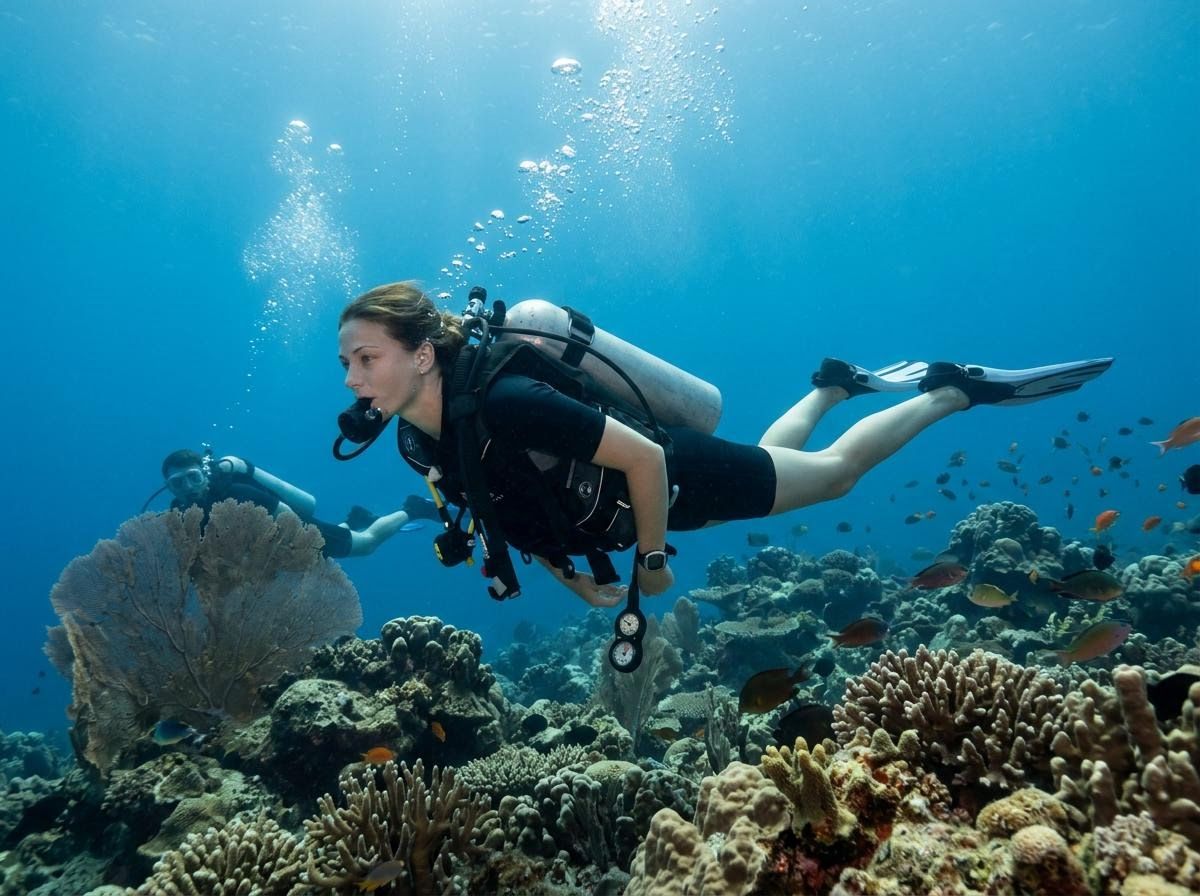
Diving into the underwater world is an adventure, a chance to explore vibrant ecosystems and uncover hidden wonders. The more time we can spend beneath the surface, the richer these experiences become. Learning to conserve air is a fundamental skill that not only extends your dive time but also enhances your overall comfort and safety, transforming a good dive into an unforgettable journey. High Plains Scuba is dedicated to helping divers master these techniques, ensuring every breath counts for a longer, more fulfilling aquatic exploration.
Master Your Buoyancy Control
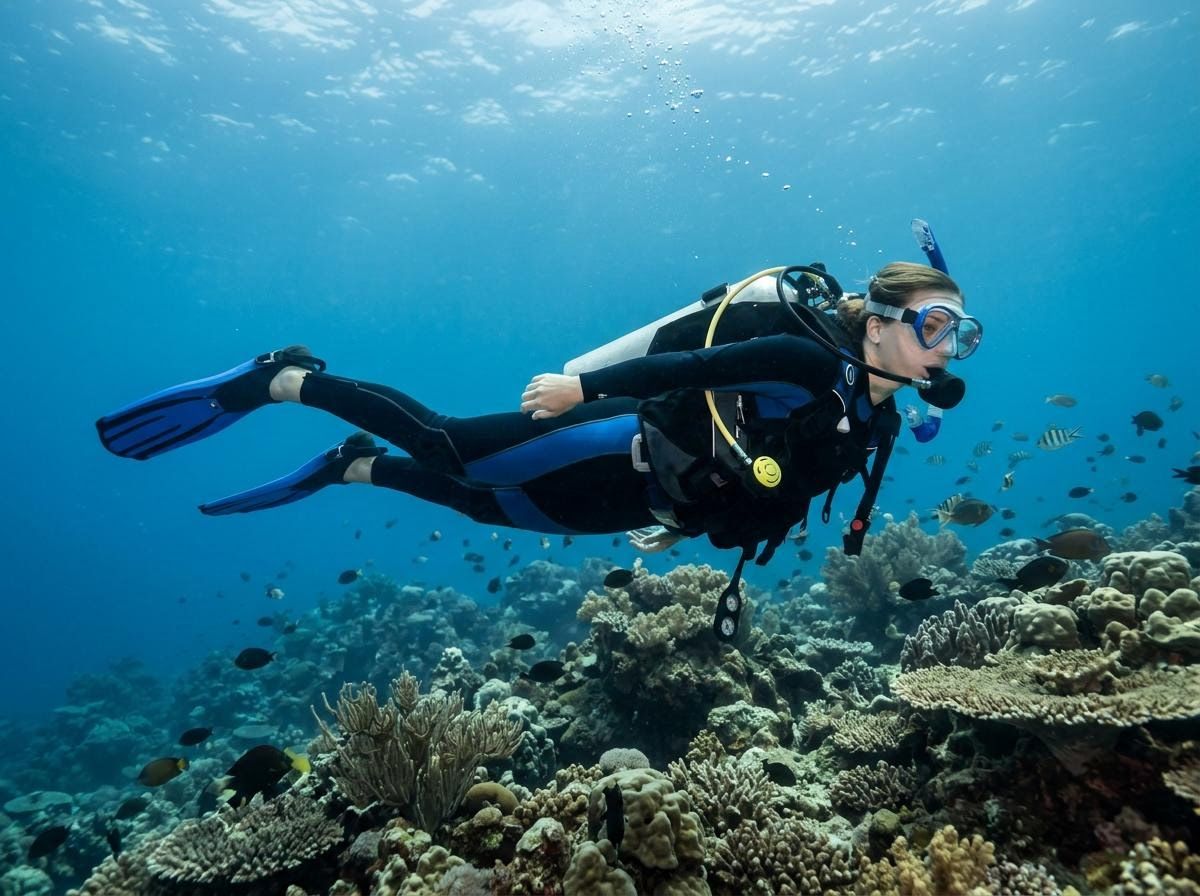
Exceptional buoyancy control is perhaps the single most impactful skill for air conservation. When you are perfectly neutral in the water, you expend minimal energy to maintain your position. This means less finning, less adjusting, and ultimately, less air used. Developing precise buoyancy requires practice and understanding how your breath influences your position in the water column. Through specialized scuba diving lessons and advanced scuba diving certification courses, you learn to fine-tune your weighting, control your ascent and descent rates with your breathing, and hover effortlessly, gliding through the water rather than fighting it. This calm, controlled movement translates directly into significantly longer bottom times and a more serene dive experience.
Streamline Your Movement and Equipment
Think like a fish: sleek and efficient. Drag is your enemy when it comes to air consumption. By streamlining your body and your scuba gear, you reduce resistance and move through the water with less effort. This includes tucking in hoses, securing gauges, and ensuring your BCD fits snugly. Positioning your body horizontally in the water, rather than swimming in an upright position, drastically cuts down on drag. Beyond personal technique, selecting the right scuba gear and ensuring it's properly fitted and maintained also plays a crucial role. Every piece of equipment, from your fins to your wetsuit, should support efficient movement, allowing you to glide rather than push.
Breathe Calmly and Deeply
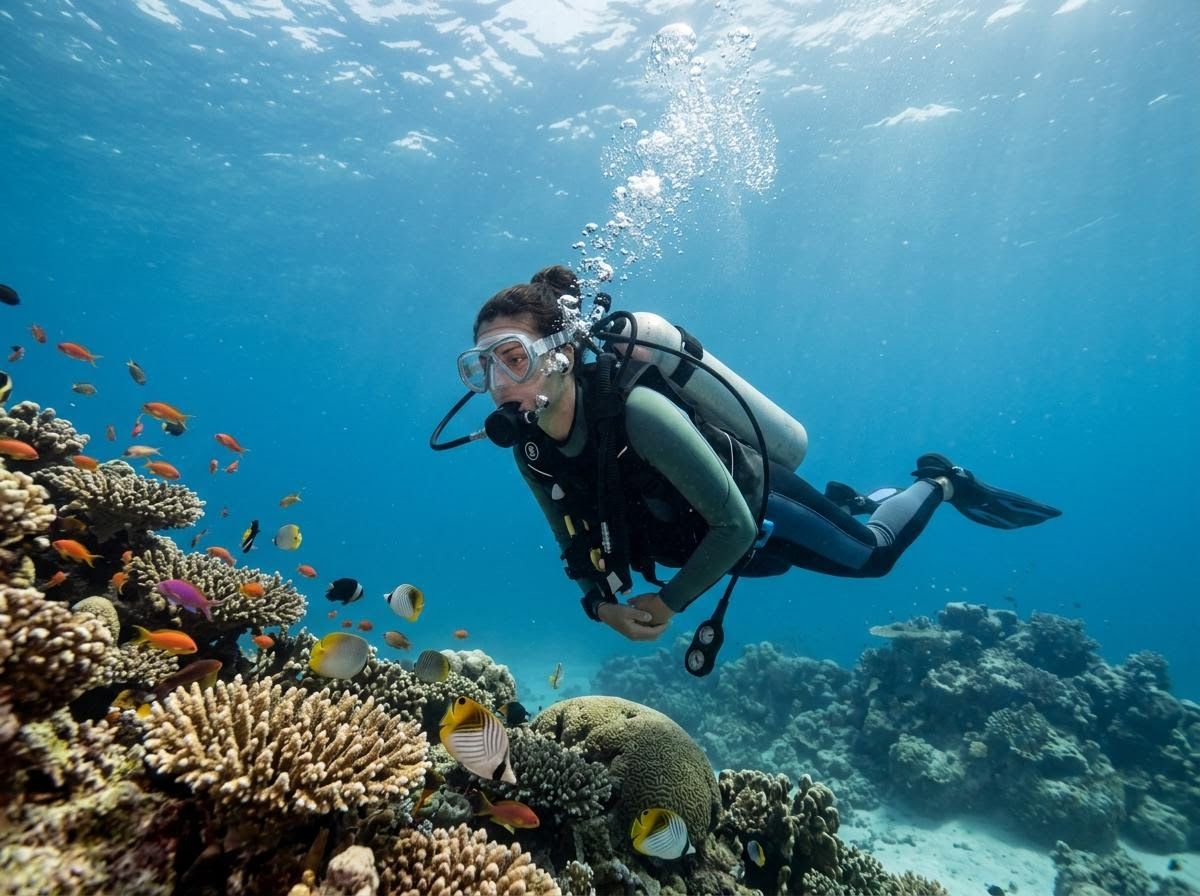
Our breathing patterns underwater have a direct correlation with how long our air supply lasts. Rapid, shallow breaths are inefficient and can lead to overexertion and unnecessary air usage. The key is to cultivate slow, deep, and rhythmic breaths. This maximizes gas exchange in your lungs, ensuring your body gets the oxygen it needs without hyperventilating. A calm mental state is intrinsically linked to this; anxiety or excitement can lead to faster breathing and increased air consumption. Practicing mindfulness and focusing on a steady breathing rhythm can help maintain composure, allowing you to relax and fully immerse yourself in the aquatic environment, saving precious air for extended adventures.
Unlock Longer Adventures
Mastering air conservation is a journey that transforms your scuba diving experience, allowing you to unlock deeper connections with the underwater world and enjoy longer scuba diving vacations. By refining your buoyancy, streamlining your setup, and adopting calm breathing techniques, you'll discover new depths of your diving capabilities. To further enhance your skills and explore the latest in efficient scuba gear, consider visiting our scuba center. Our expert instructors are ready to guide you towards a more confident, comfortable, and extended dive experience. Contact us today to learn more.